
Member Spotlight: Judith Sebesta
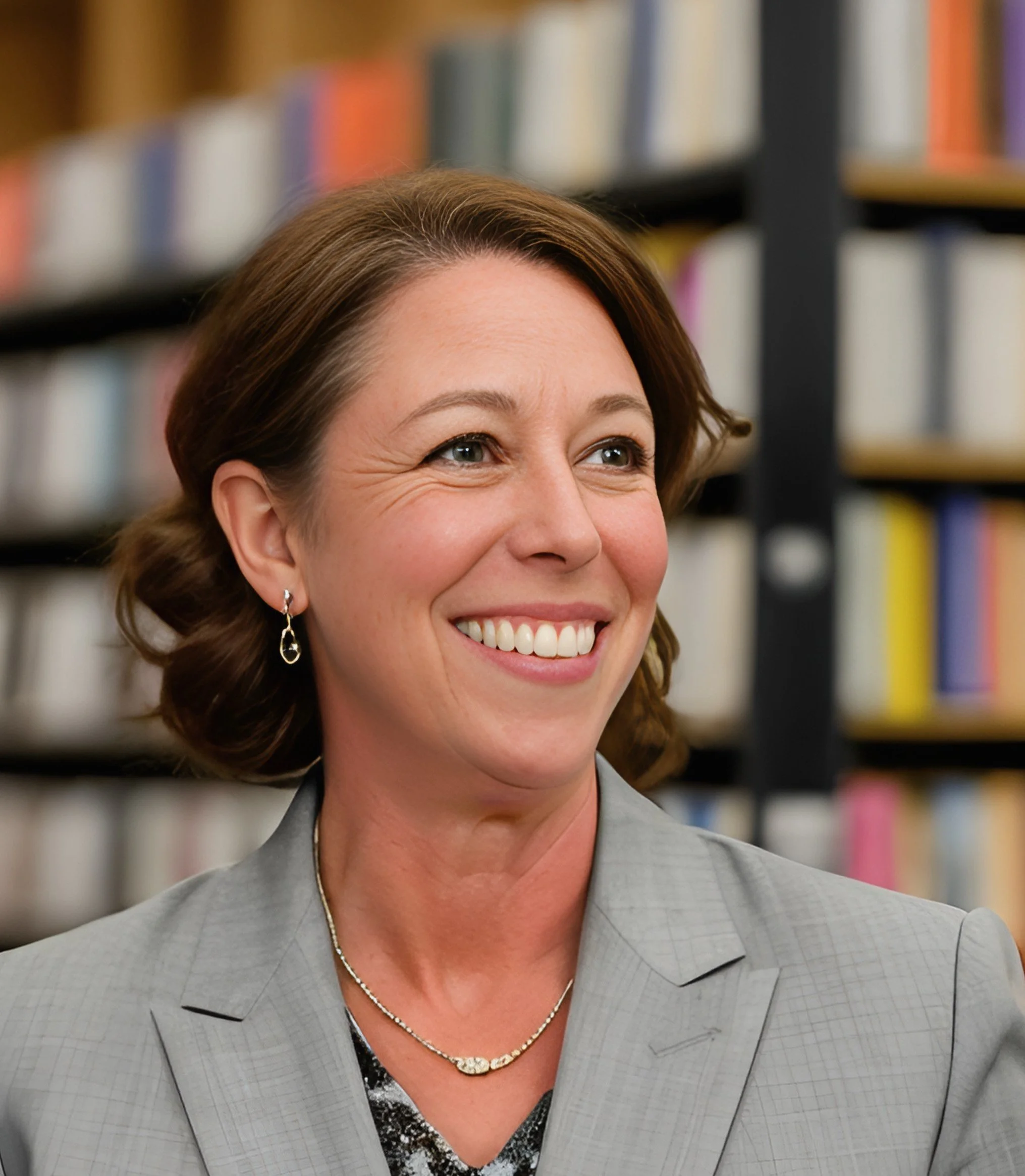
A former theatre professor got hooked on OER when two students said they simply couldn't have afforded to take her class any other way.
Back when she was a theatre professor, Judith Sebesta co-authored a commercial textbook, the first digital one her publisher ever released. It bothered her even then. "Although our text was relatively affordable, I knew the cost could still be a barrier for some students," she says.
The resolution came through open education. As she learned about what OER could do beyond lowering costs, like “immediate and permanent access, flexibility, customization, quality, and relevance,” she found the solution to her disillusionment with ‘big publishing.’ “I was hooked!”
In her Introduction to Theatre course, Judith switched to an open book. And once the book changed, everything else opened up for reconsideration. “Using the new resource spurred me to engage in backwards and universal design, which resulted in course elements—discussions, activities, and assessments—that were much better aligned with the learning objectives,” she says. Outcomes improved across the board: lower drop and withdrawal rates, higher engagement, better final grades.
“Two different students told me they simply couldn’t have taken the course if they had had to pay for a textbook,” says Judith. They were adult learners with families, working full-time. “They needed a general education arts credit for their degree, and specifically chose my course because of its use of OER. It was very compelling.”
From there, Judith's work grew beyond the classroom. At the Texas Higher Education Coordinating Board, she helped build the state's open education infrastructure from the ground up, including a statewide repository and grant program. Eventually, she wrote her own OER: “Telling Stories to Save the World: Climate Change in Narrative Film.”
Over the next five years, says Judith, “the most transformative change for the broader field of open education would be a decisive shift from viewing ‘open’ merely as a cost-saving mechanism to embracing it as a primary driver of pedagogical innovation and social justice.” She wants to see open education recognized as a discipline, not just a workaround for expensive textbooks. Open materials should be affordable, she says, but also "inclusive, culturally responsive, and representative of diverse global voices, thereby making education truly democratic." And she wants to see the field mature further toward open pedagogy, where “learners transition from passive consumers to active co-creators of knowledge, contributing renewable assignments to the public commons."
Judith's guiding principle comes from Sadhguru: "Education needs inspiration, not just information. Only inspired human beings can transform their own lives and lives around them."
She credits mentors who model what inspiration and generosity look like in practice, including the students she had along the way, “who often taught me as much as I taught them,” and Dr. Van Davis, who gave her the opportunity to transition from theatre professor to higher education innovator. James Glapa-Grossklag, she says, "is a leader in the field of Open Education who is a model of innovative thinking and action, but also of collegiality, generosity, and caring."
There's one more acknowledgment Judith would like to make. Alongside the mentors and colleagues, she credits the support of her canine companions over the years. Her golden retriever Hudson passed last year, and she hopes to adopt a new pup soon. "If you are in a Zoom meeting with me," she says, "stay tuned for the possible appearance of a new office mate in the background."
Want to share your story or nominate someone else? Complete the form.