
News
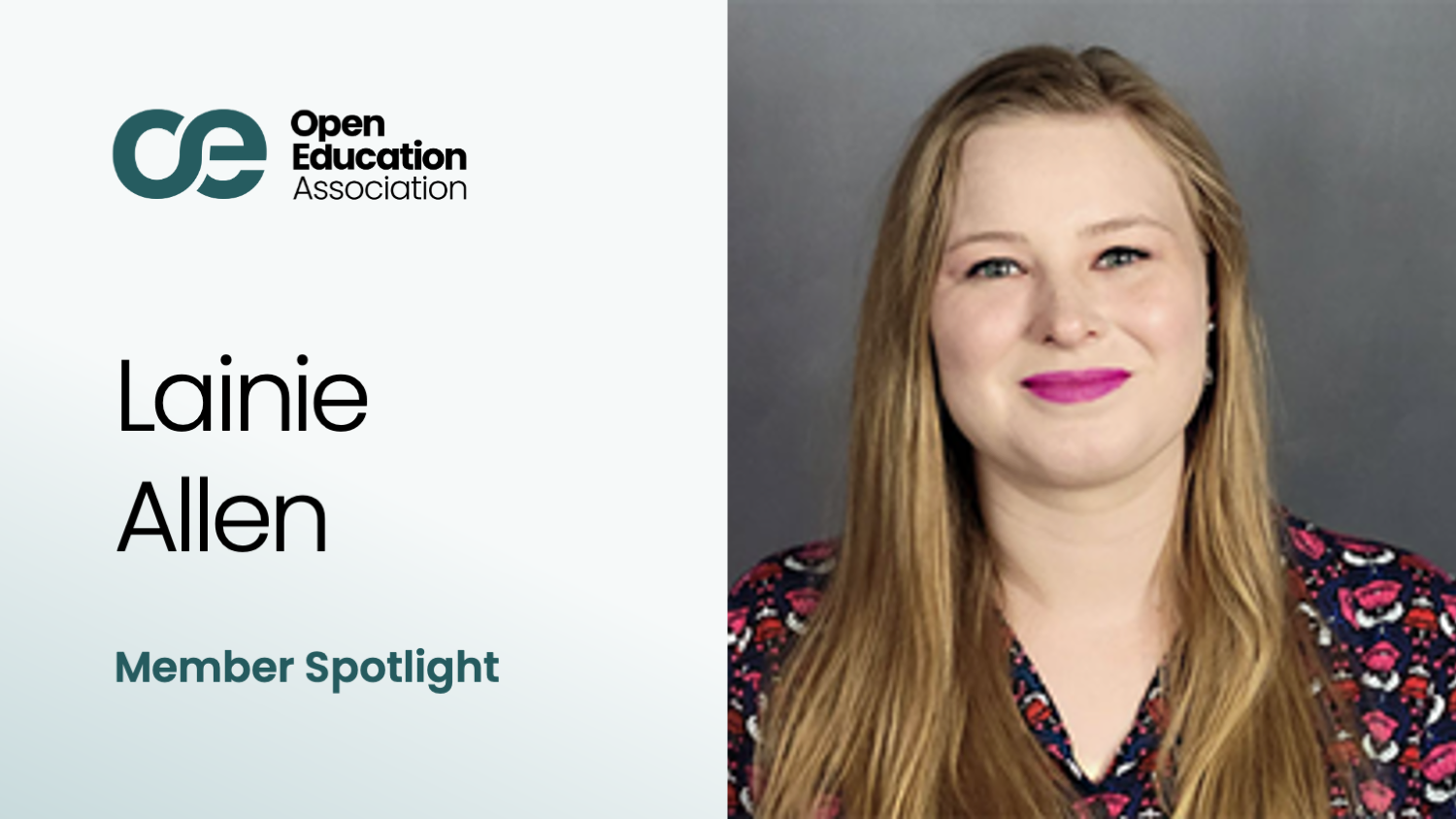
Member Spotlight: Lainie Allen
A museum studies scholar turned open education librarian on the importance of stewardship.
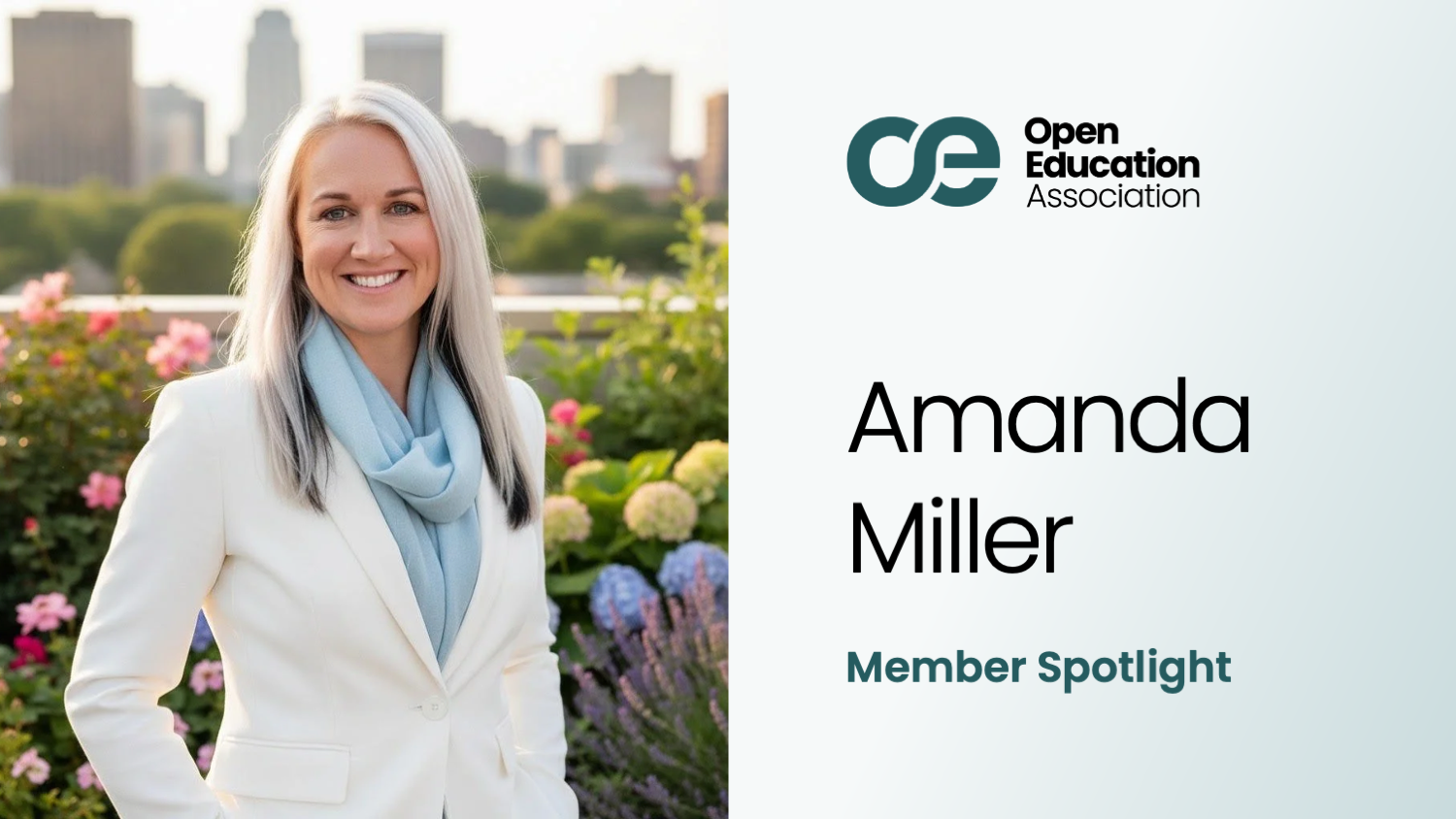
Member Spotlight: Amanda Miller
An educator and lifelong learner working toward her doctorate watched her classmates struggle with textbook costs and recognized the problem she'd been trying to solve from the other side of the room.
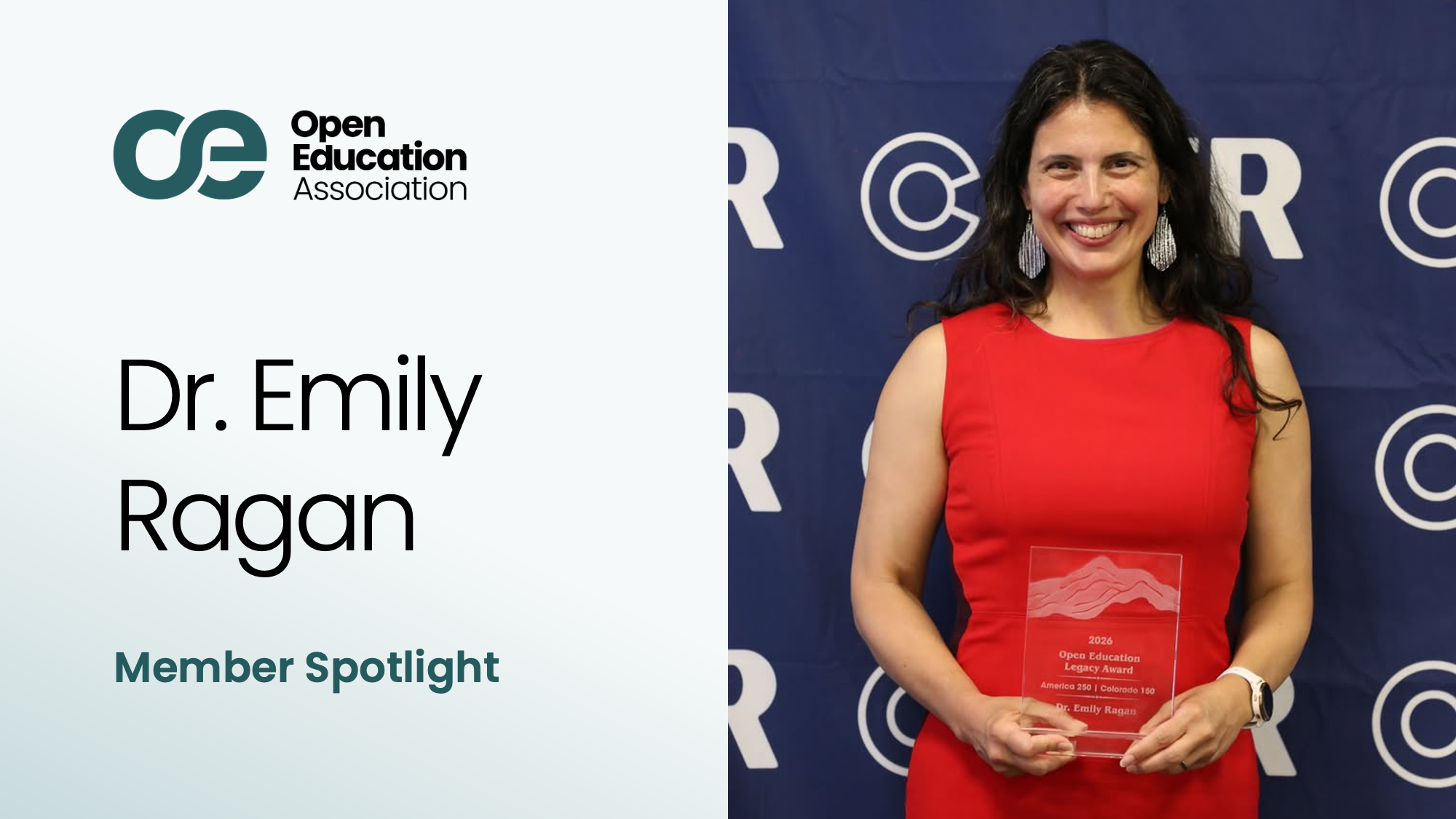
Member Spotlight: Emily Ragan
Emily Ragan was “tricked” into trying OER by a practical argument, then discovered a pedagogical paradigm shift.
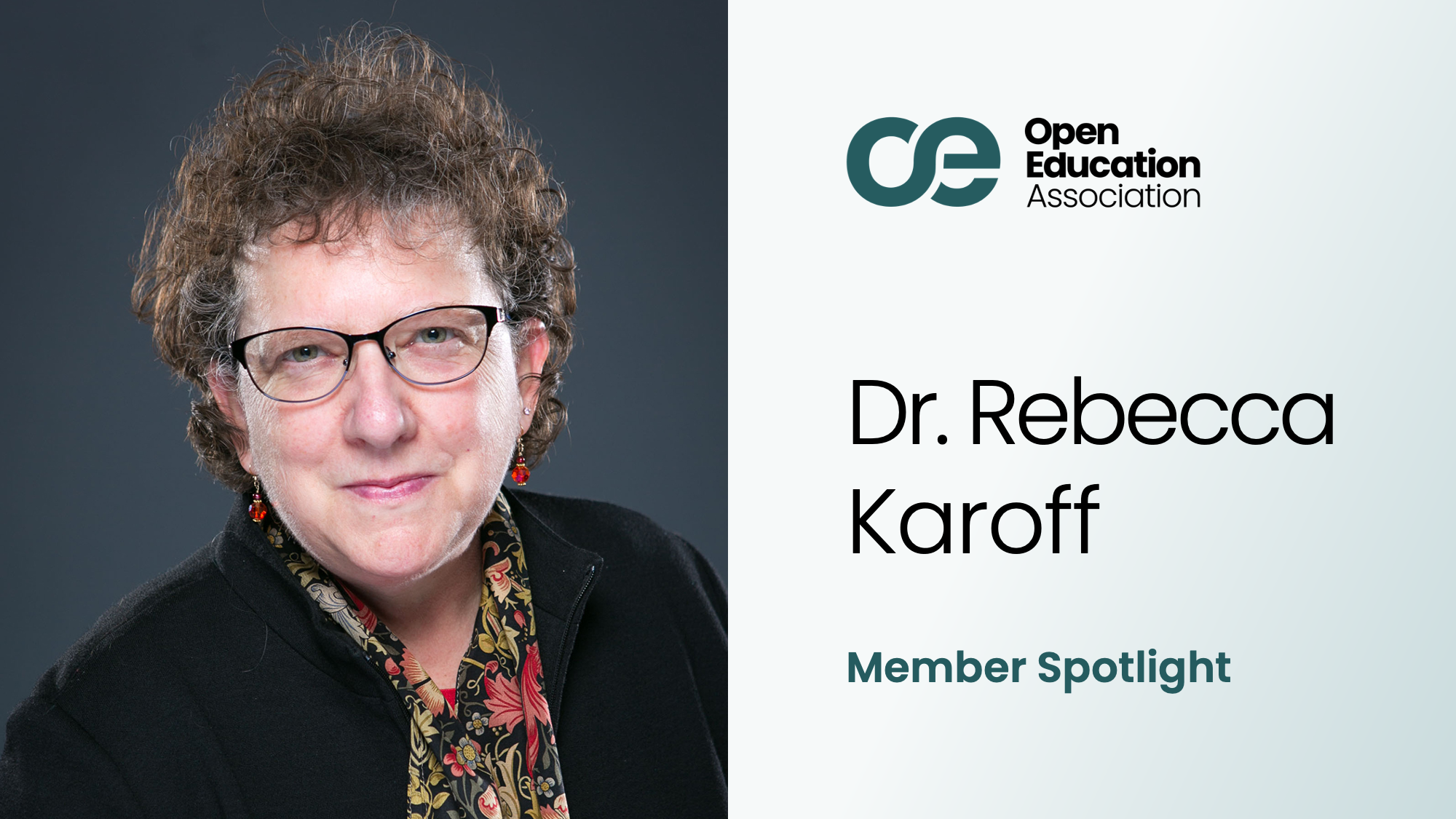
Member Spotlight: Rebecca Karoff
In open education, a former University of Texas administrator found ways to remove financial and academic barriers and build campus community all at once.
Member Spotlight: Victoria Brame
A first-gen student who gamified her way through textbook costs grew up to ask: how do we make sure the next student isn't navigating this alone?
Member Spotlight: Carlos Goller
A NC State microbiologist couldn't find the right textbook for cutting-edge lab techniques, so he and his students stopped looking and started creating.
Member Spotlight: Judith Sebesta
A former theatre professor got hooked on OER when two students said they simply couldn't have afforded to take her class any other way.
Member Spotlight: JoAn Kivlehan
A New York nursing instructor makes the case that OER models the values that nursing is built on
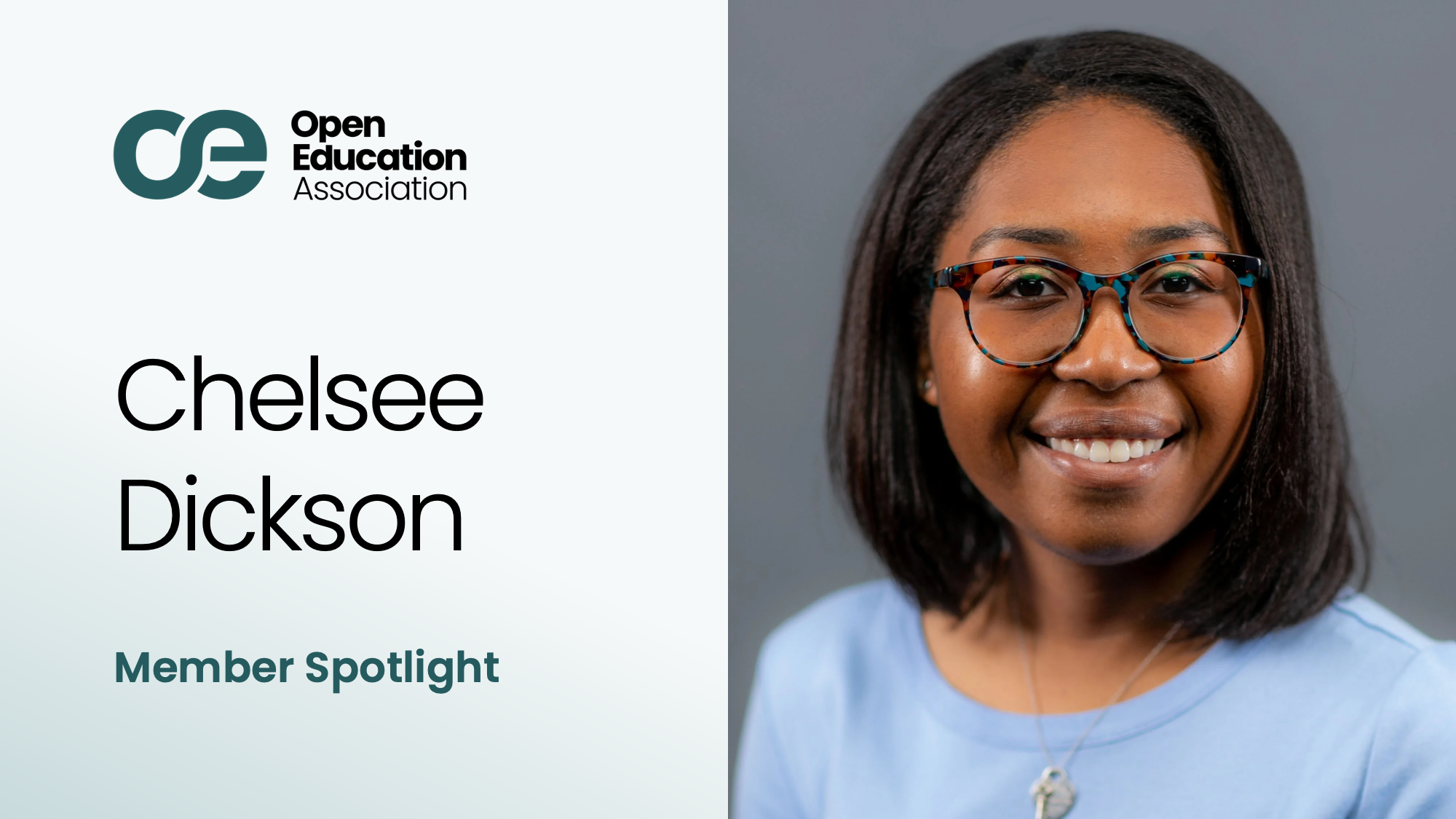
Member Spotlight: Chelsee Dickson
A Georgia librarian discovered open education when her professor offered students a radical choice: accept the old textbook, or build something better.
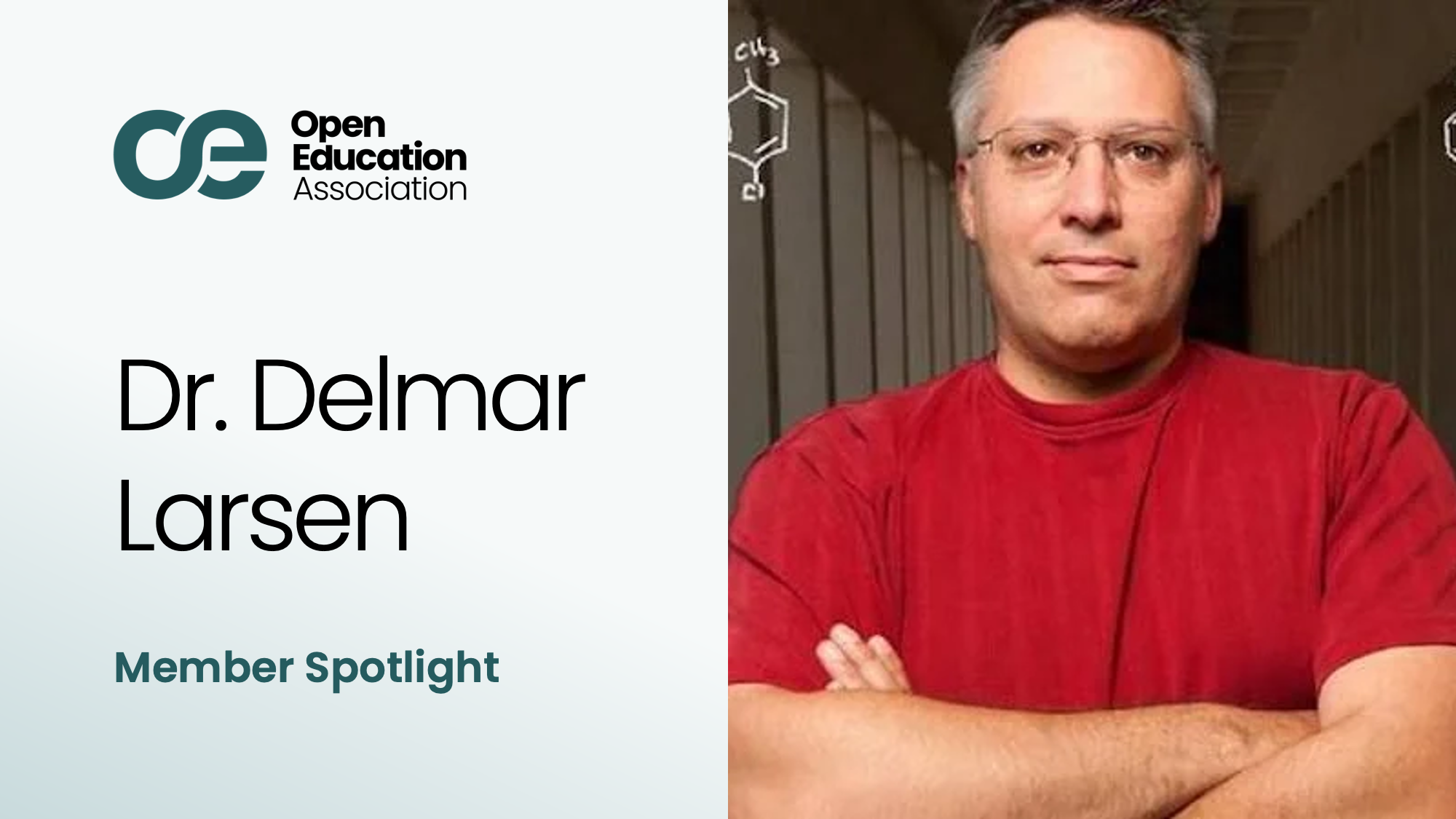
Member Spotlight: Delmar Larsen
This UC Davis chemistry professor and LibreTexts founder heard about a student who had to choose between a textbook and baby food, and spent the next decade building the alternative.
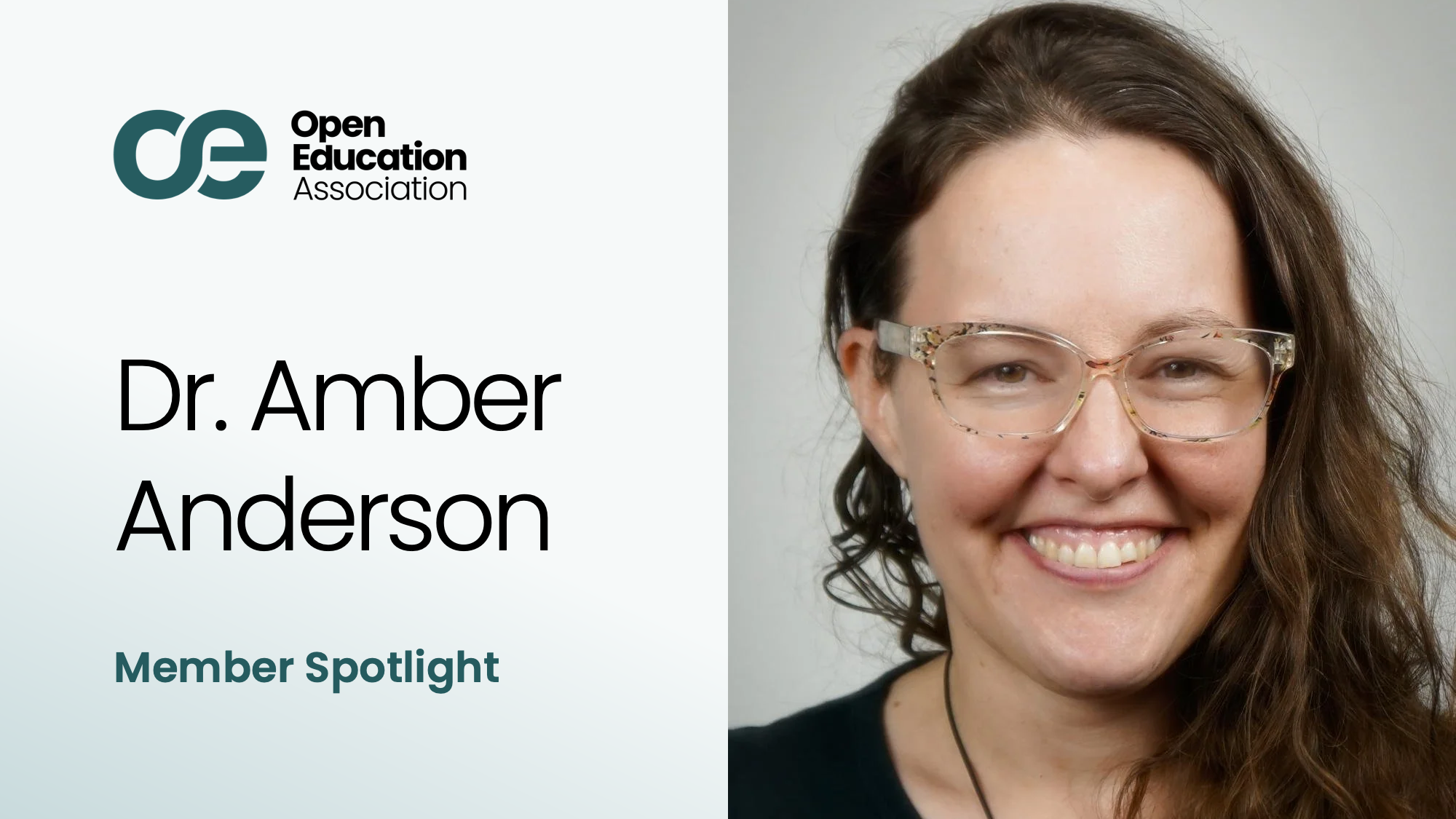
Member Spotlight: Amber Anderson
A soil scientist builds a free textbook so anyone can learn about the ground beneath our feet.
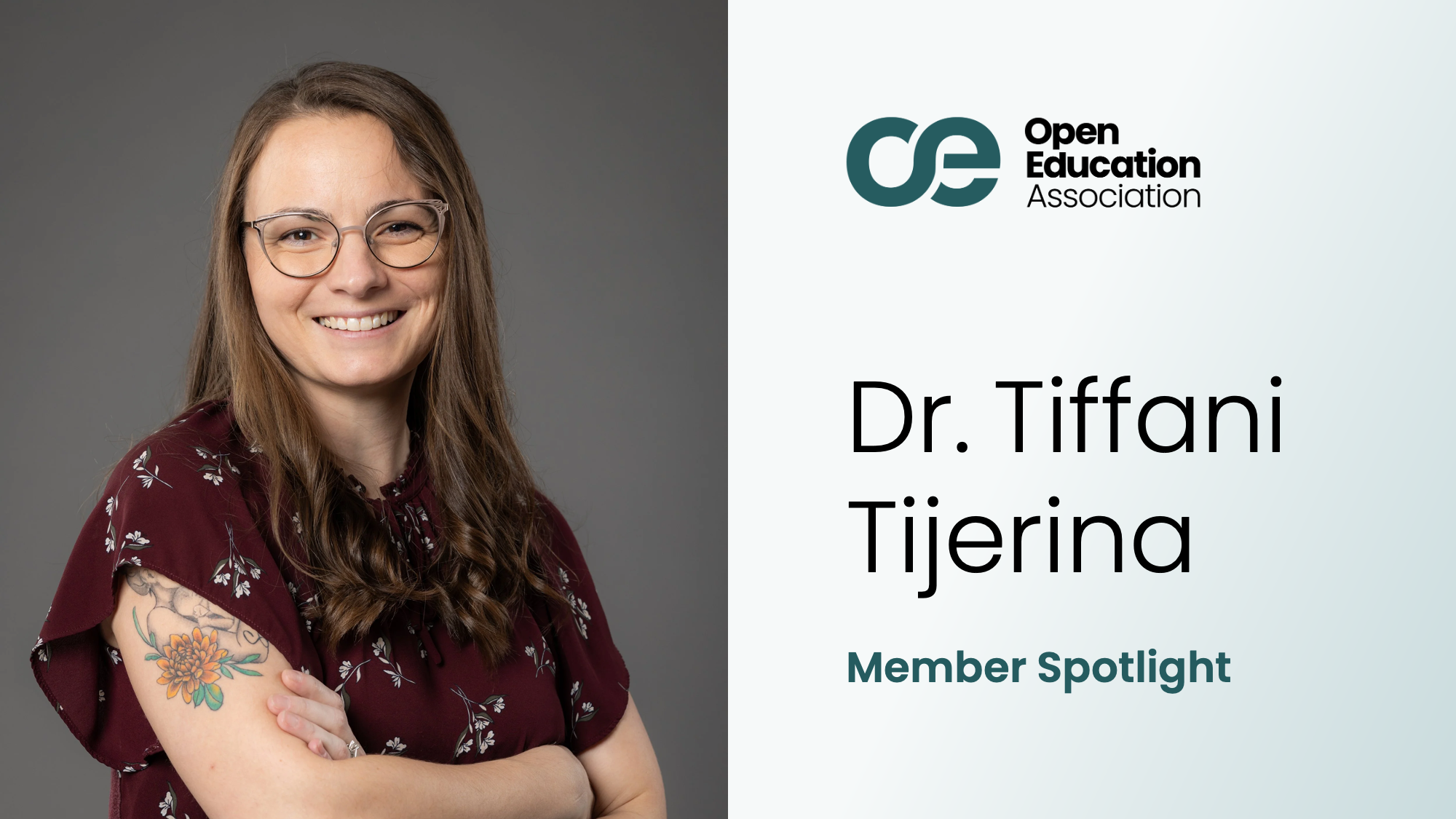
Member Spotlight: Tiffani Tijerina
A University of Arkansas at Little Rock professor finds that open education can reshape classroom culture, not just cut costs.
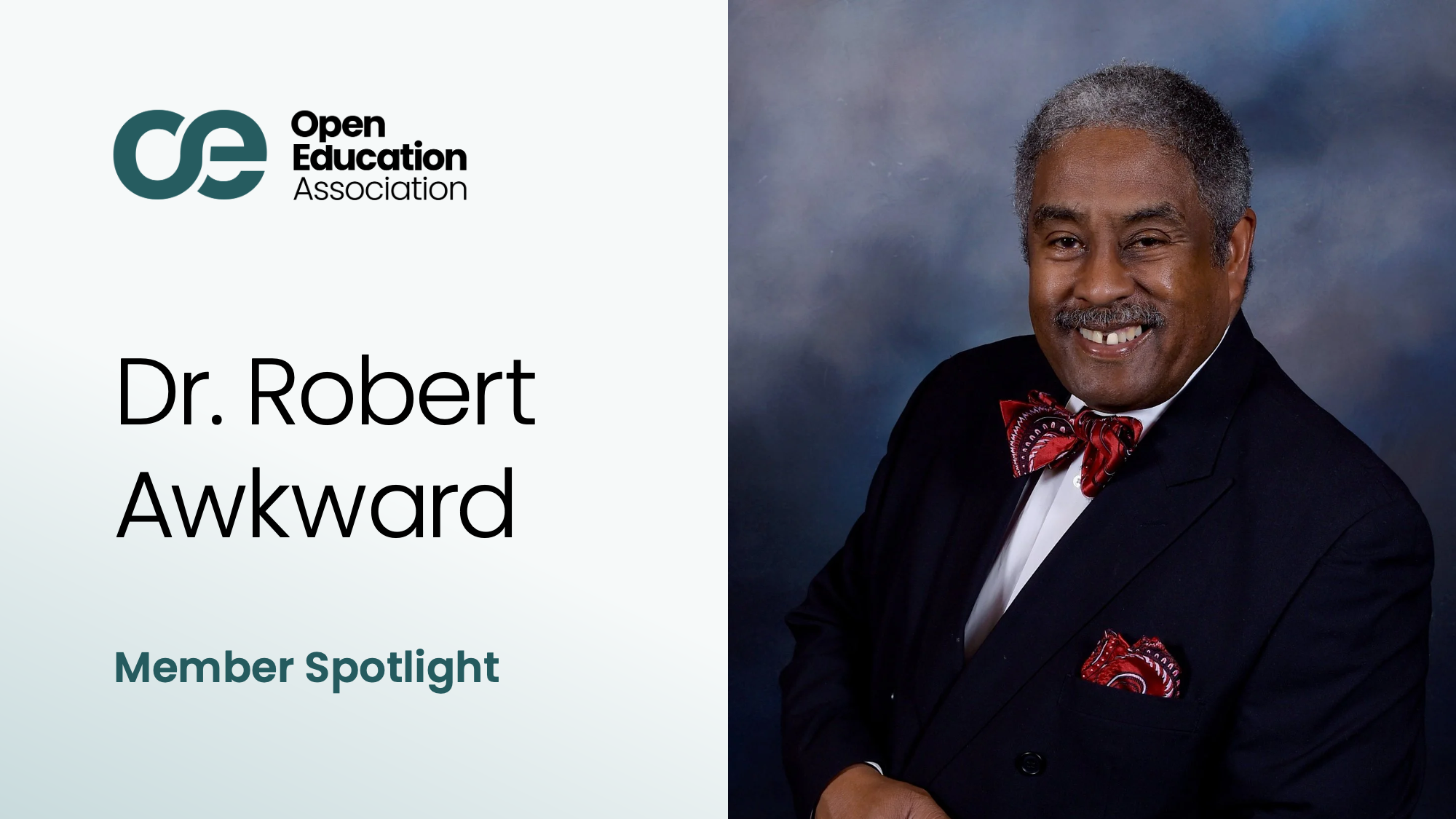
Member Spotlight: Robert Awkward
A community college economics professor turned state leader watched withdrawals drop to zero when he left behind the $225 textbook.
Member Spotlight: Jeremy Larance
A West Liberty University English professor wants to help educators discover the power to revise and remix course materials for their students.
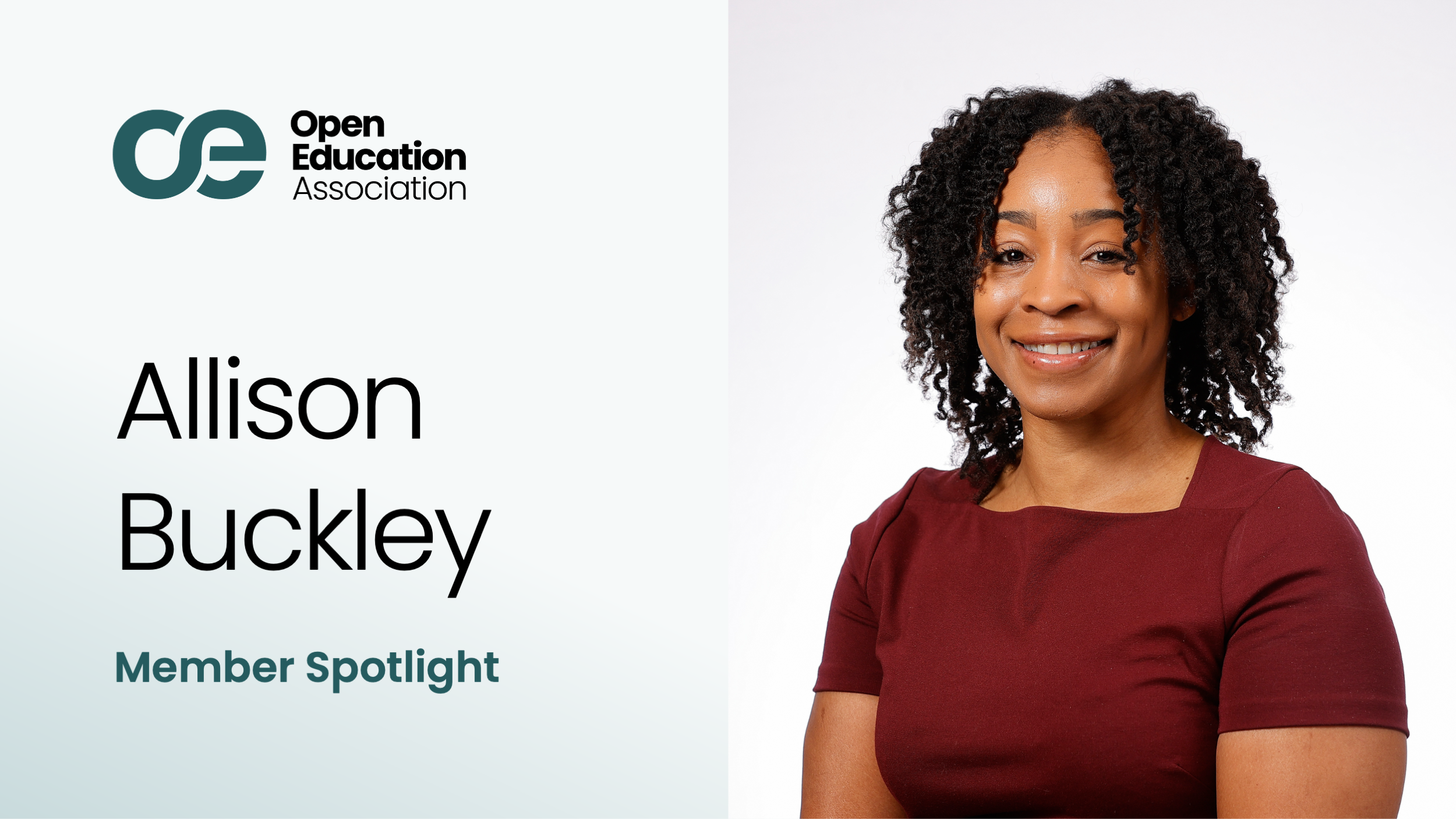
Member Spotlight: Allison Buckley
An OER program specialist wants to ensure the next gen of first-gen students has what they need from day one.
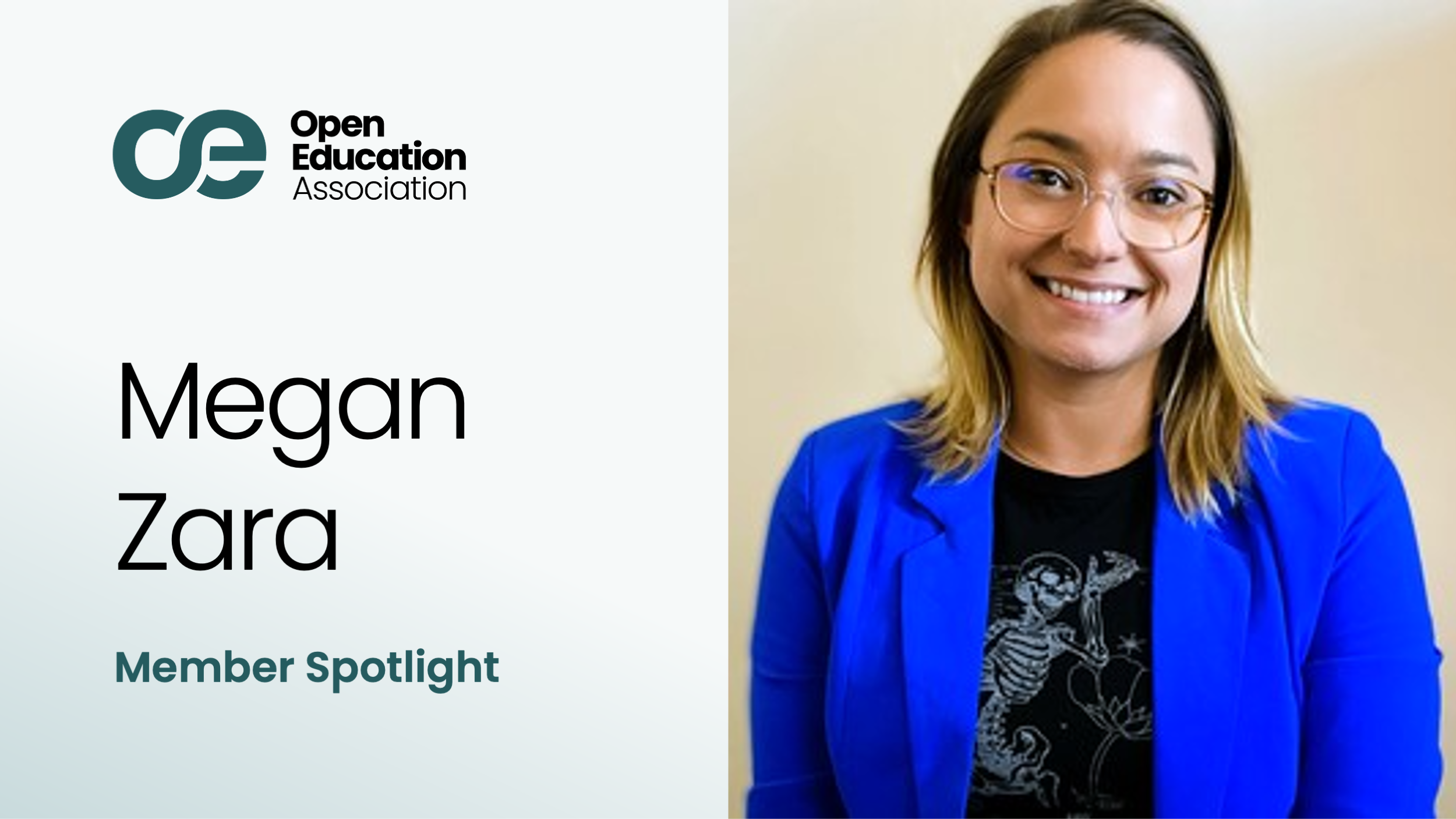
Member Spotlight: Megan Zara
For UT Arlington’s Open Educational Resources Librarian, learning is about care and co-creation.