
Member Spotlight: Lainie Allen
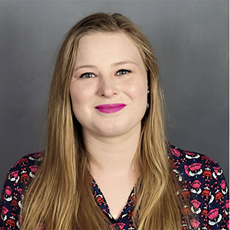
A museum studies scholar turned open education librarian on the importance of stewardship.
Before Lainie Allen worked with open educational resources, she worked with objects that had survived centuries. With a master's in museum studies, it was in the context of galleries and cultural institutions that she first dove into the ethics of what gets preserved, and how, and for whom. "In these fields, I was inspired by the concept of stewardship," she says: "the ethical, community-centered practice of preserving, managing, and providing access to cultural heritage and knowledge." Stewardship, as she understood it, was about strengthening the relationship between people and information, ensuring that knowledge stays accessible rather than calcifying behind institutional walls.
So, the move to open education was a natural evolution. "Today, I carry that same spirit of stewardship into my work by supporting the creation, preservation, and open access to information," she says. Now the Open Education Librarian at Western Oregon University, she collaborates with campus partners to reduce the financial burden of course materials on students and widen the radius of who can access knowledge. "I am proud to be a part of a community that works collaboratively to reduce the barriers to information as it benefits society as a whole."
Museums and open education both create the infrastructure that carries knowledge forward. An archive holds what a community has once made; an OER library holds what educators and students are making now. Of course, open educational resources don't sit behind glass — they get handled, revised, improved, and passed along.
That living quality is what animates Lainie's vision for the field, and she wants to see the people OER is built for build more OER themselves. "I would be excited to see open education continue creating opportunities for students to become active contributors and creators within the community," she says. "Students bring a wealth of perspectives, experiences, and skills that can help shape a more innovative and inclusive future for the open education movement."
She finds that the relationship is mutually beneficial: "As students contribute to the creation and improvement of OER, they strengthen the open community while also demonstrating the knowledge and skills they have developed throughout their academic programs." And for the learners, publishing OER, "gives students an authentic opportunity to apply their learning, build a public portfolio of their work, and make meaningful contributions that benefit future learners."
One of her guiding principles comes from the disability rights movement: "Nothing about us without us." She carries it into her OER work as both a commitment and a test of quality. "To create meaningful, effective programs requires building authentic relationships with students and actively seeking their perspectives throughout the process," she says. She sees students as essential partners in open advocacy, and she regularly listens to them talk about skipping textbooks due to cost, and their appreciation for the courses that remove those barriers. “Hearing those stories reinforces the real impact that OER can have on student success and motivates me to continue this work,” she says. "If students are not meaningfully involved in shaping OER initiatives, then we have missed an important opportunity."
Want to share your story or nominate someone else? Complete the form.