
Policy & Advocacy
The Open Education Association advocates for policies that support the use of open educational resources, reduce the cost of textbooks for students, and expand transparency about college course materials.

The Utah Board of Higher Education revised its learning materials policy to add student-centered guardrails on automatic charge programs and strengthen support for the use of open educational resources.
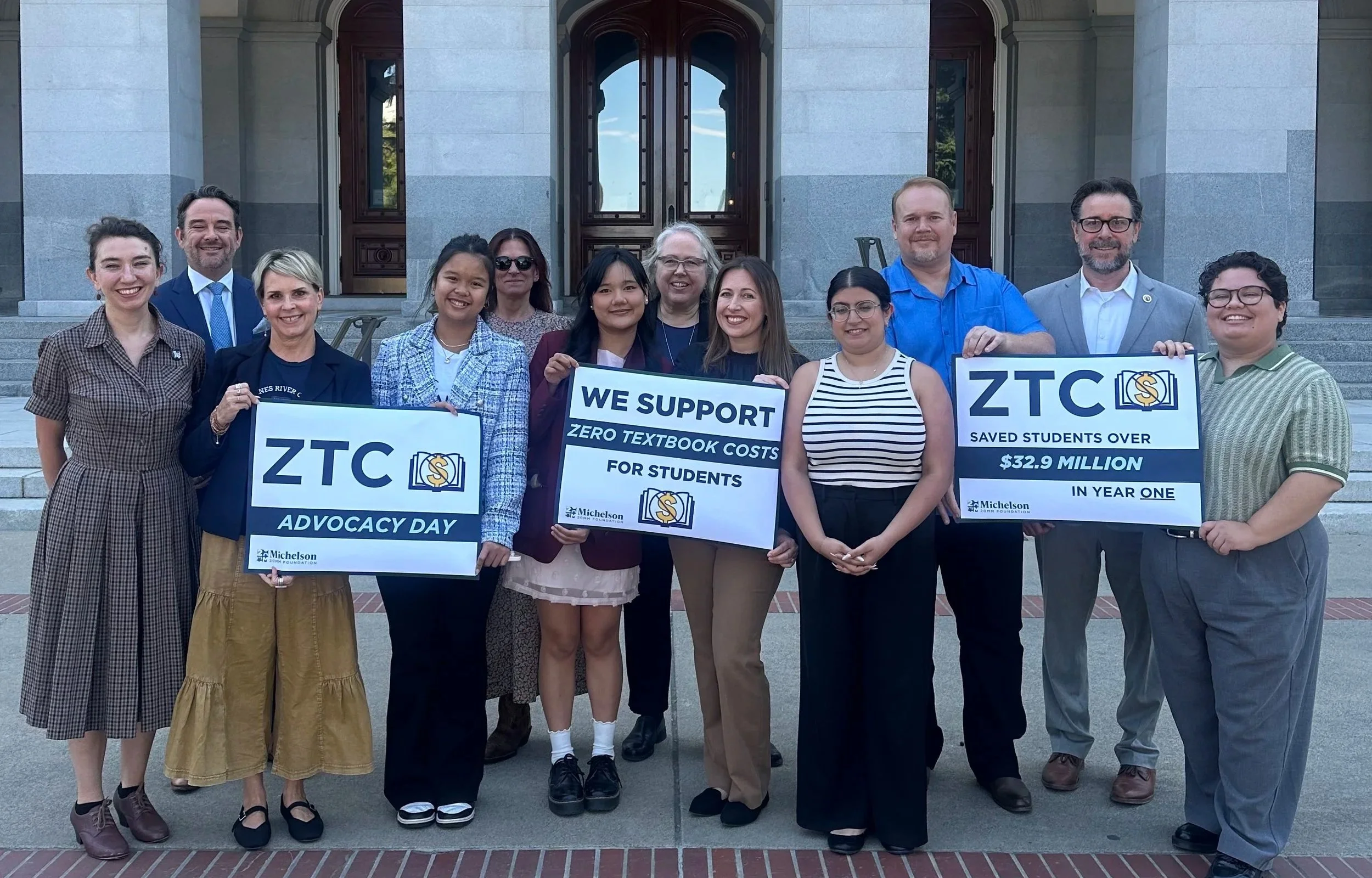
A delegation of California open advocates spent a day in Sacramento highlighting the impact of the state’s Zero Textbook Cost (ZTC) Degree Grant Program.
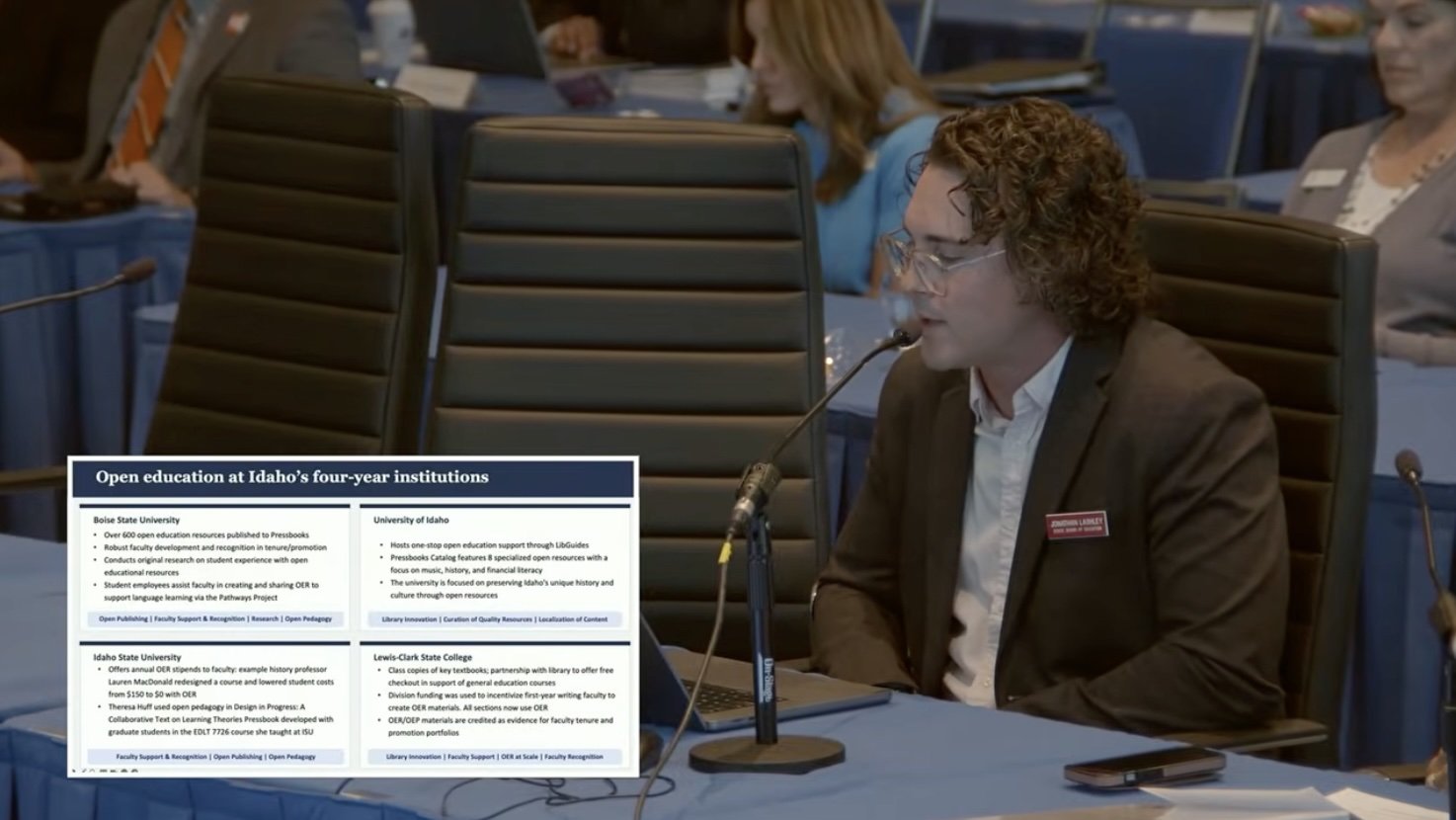
The Idaho State Board of Education adopted a revised version of its course material affordability policy, strengthening protections for students on automatic textbook billing and reinforcing the state's support for open educational resources.
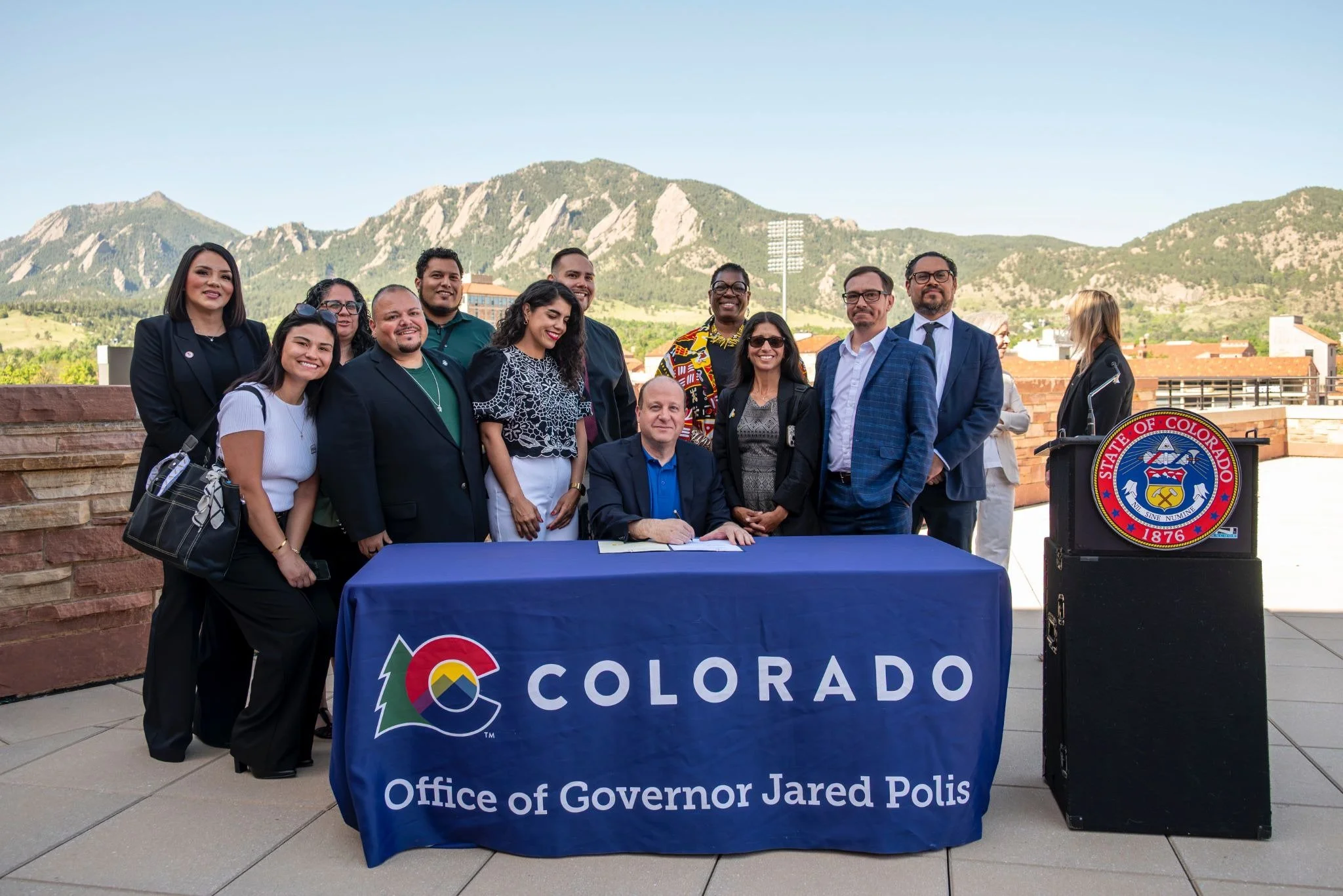
Governor Polis signed HB 26-1016 into law on June 1, reauthorizing Colorado's Open Educational Resources grant program through 2031. The program has saved Colorado students nearly $60 million in textbook costs since its launch.
The Department of Education clarified how course material costs factor into Workforce Pell accountability requirements, with direct implications for institutions choosing between OER and commercial materials.

The Workforce Pell Grant program extends Pell eligibility to short-term workforce programs for the first time. As institutions build these programs, openly licensed materials are a strategy to reduce program costs and save students money.

A new policy adopted by the Nevada System of Higher Education requires institutions to identify courses that rely exclusively on no-cost or low-cost materials within their course registration systems, giving students clearer information about what they'll actually spend before they enroll.
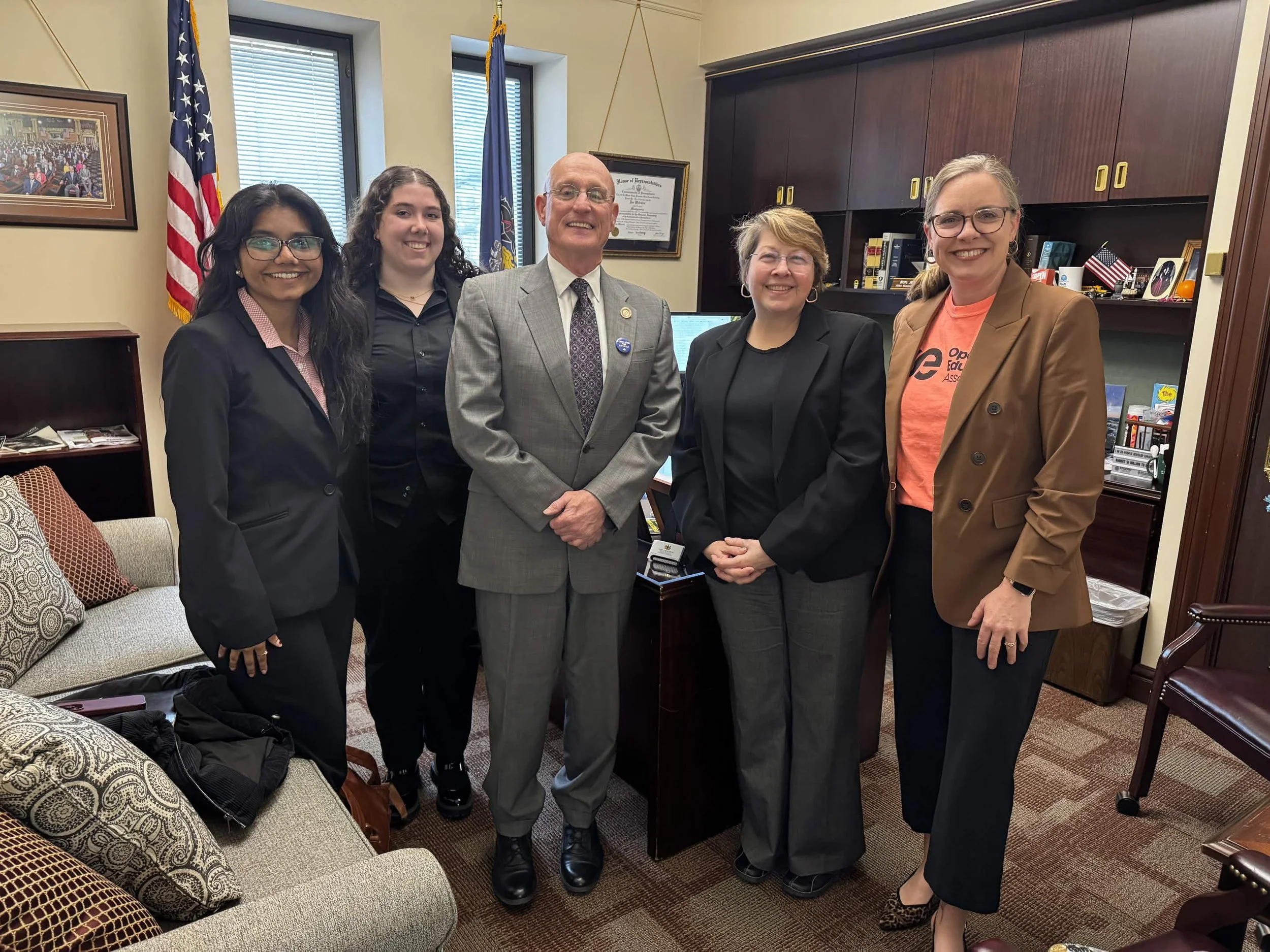
Pennsylvania has a strong open education community despite not having formal policy or state-level support. Advocates took the case for OER to the state legislature.
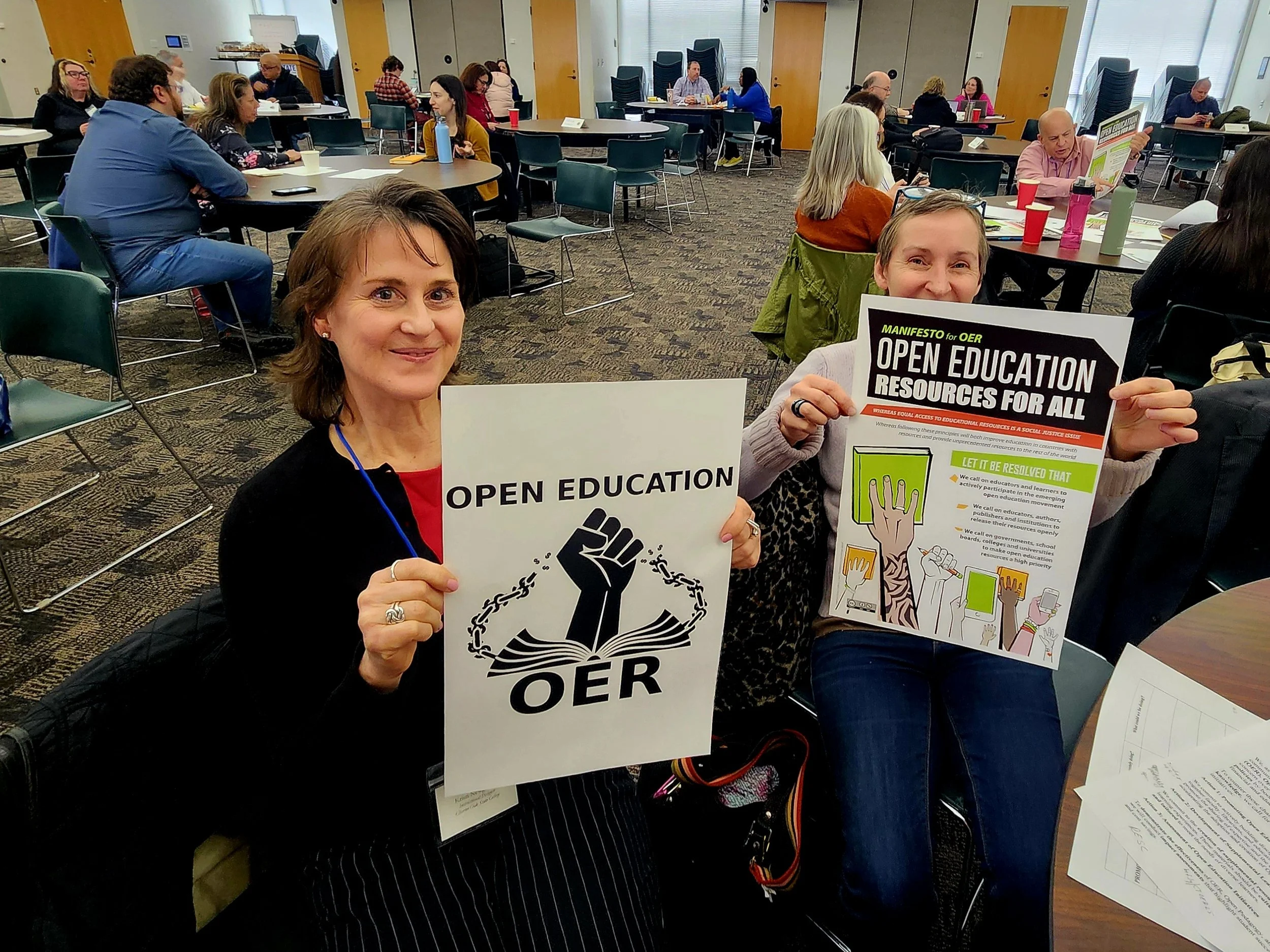
As the state legislature considers next year’s budget, advocates urge full restoration of funding for the Connecticut OER Coordinating Council. Since its founding, the Council has saved more than 10,000 students nearly $1.2 million in textbook costs.
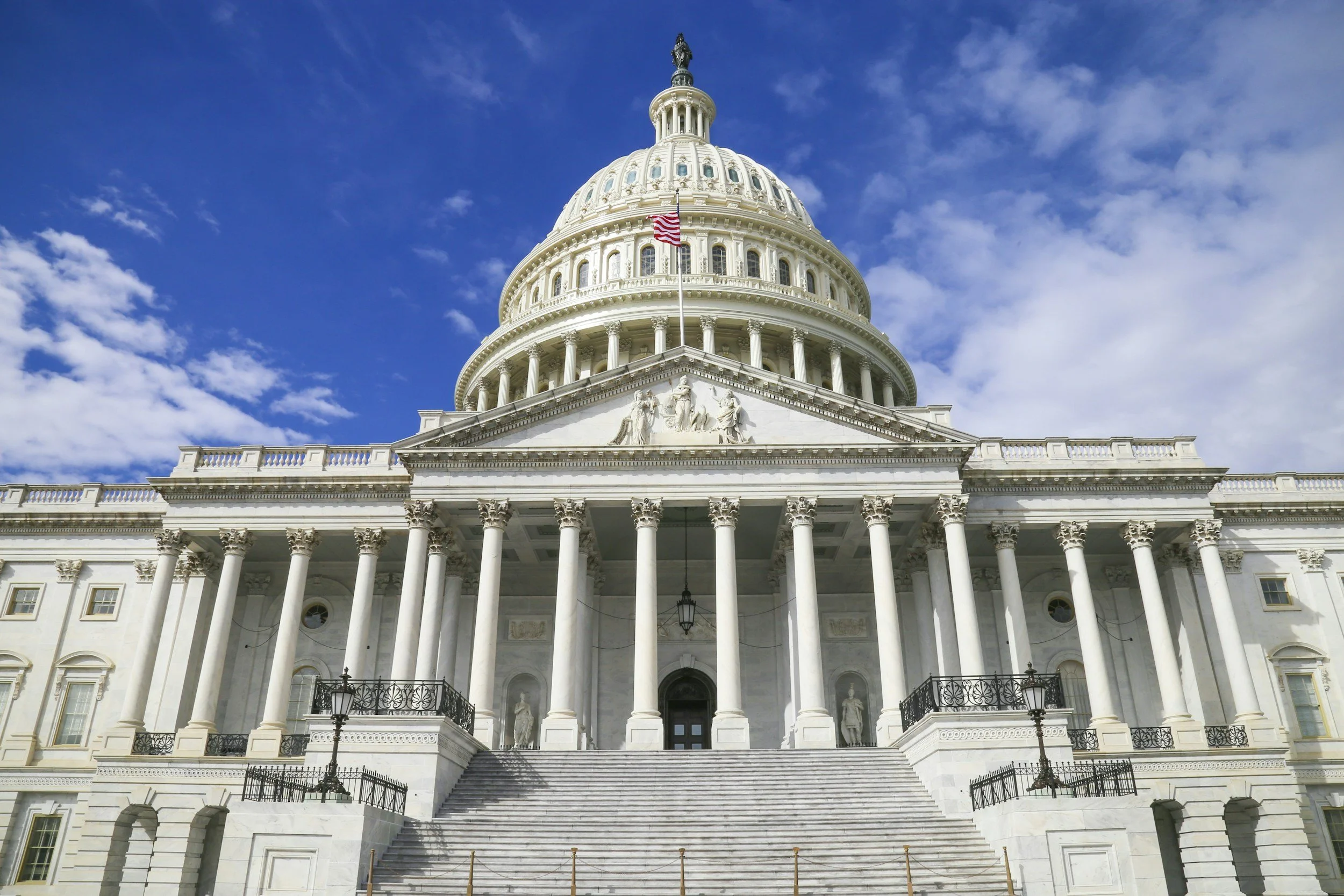
Congress renewed funding for the federal Open Textbook Pilot program in Fiscal Year 2026, allocating $7 million for new grants to be distributed by the Department of Education.

If passed, the bill would extend funding at approximately $1 million annually. Since its inception, the program has converted more than 2,200 courses to OER, built 17 zero-textbook-cost degree programs, and saveed students nearly $60 million.
Latest Policy Actions
Letter supporting proposed revisions to Idaho State Board of Education Policy III.U. on Instructional Material Access and Affordability. The proposed revisions strengthen provisions related to textbook cost transparency including automatic charges.
Letter sent to the U.S. Senate Labor-HHS-Education Subcommittee advocating for $25 million in renewal funding for the Open Textbook Pilot grant program in Fiscal Year 2027.
Public comment submitted to the Department of Education on the Cash Management Contract URL Collection (Docket ID ED-2026-SCC-0298) recommending a similar collection related to books and supplies automatic billing contracts.
Letter submitted in support of SB 4067, which would establish a recurring state grant program for OER at Illinois academic libraries.
Public comment submitted to the Department of Education on the proposed rule for Workforce Pell (Docket ID ED-2026-OPE-0133) recommending clarify the treatment of books and supplies under the value added earnings test.
Fact sheet distributed by the Open Education Association to Pennsylvania lawmakers during a lobby day in Harrisburg.
Testimony to the Connecticut Appropriations Committee on HB 05032, advocating for increased funding for the statewide OER program.
Letter to the Colorado House Higher Education Committee in support HB 26-1016, which would continue funding for the state’s successful OER program.