
Member Spotlight: Tiffani Tijerina
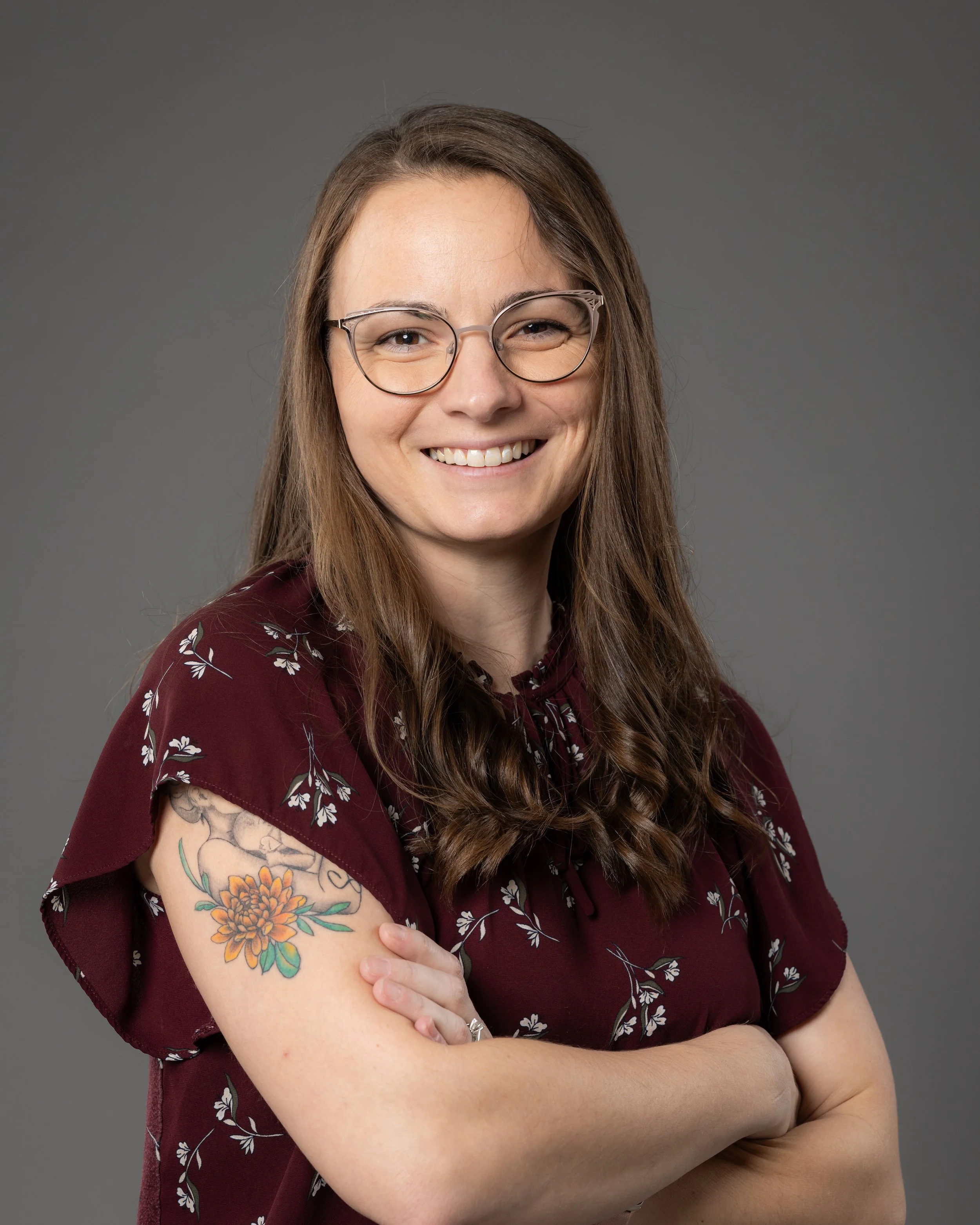
A University of Arkansas at Little Rock professor finds that open education can reshape classroom culture, not just cut costs.
Sometimes you can tell everything you need to know about a classroom from its syllabus. In fall 2017, Dr. Tiffani Tijerina handed her students a free textbook called “Sexy Technical Communication.” Her students loved the title. “It helped break down the wall between student and instructor,” says Tiffani. And because the textbook was open, students could dive into learning the ins and outs of technical communication right away: no wait, no paywalls.
Before the semester started, she'd been advised to keep a professional front, and only let her students call her ‘Professor.’ “With that initial response to the textbook, I quickly realized that that advice was simply not me,” she says. The textbook that made her students laugh, not perform professional distance — that was her style. "That's when I first realized that open education could make a difference in more than just my students' wallets,” says Tiffani. Of course, students left raving reviews about not having to buy a textbook. “But it was the informal and open tone the textbook set for the class that really showed me the power of the customized learning that open education can offer.” OER opened up pedagogical possibilities, she found; students who felt comfortable were students who asked questions, stayed engaged, and absorbed new information easily.
Now an Assistant Professor of Rhetoric and Writing at the University of Arkansas at Little Rock, Tiffani has made open education the center of her professional life. "Honestly, open education kind of IS my value," she says. "I've been doing this work for my entire professional career; it's embedded into everything I do in and out of the classroom."
“My guiding principle is access,” she says. "That's what it all comes down to." What she wants to see in the next five years: more external funding and recognition opportunities for individuals and small teams, especially at institutions without the infrastructure to support compensated open education work. There needs to be more ways for people to do this work, she says, not just more institutional recognition that the work exists. Access isn't just for students. It's for educators, too.
Want to share your story or nominate someone else? Complete the form.