
Member Spotlight: Amber Anderson
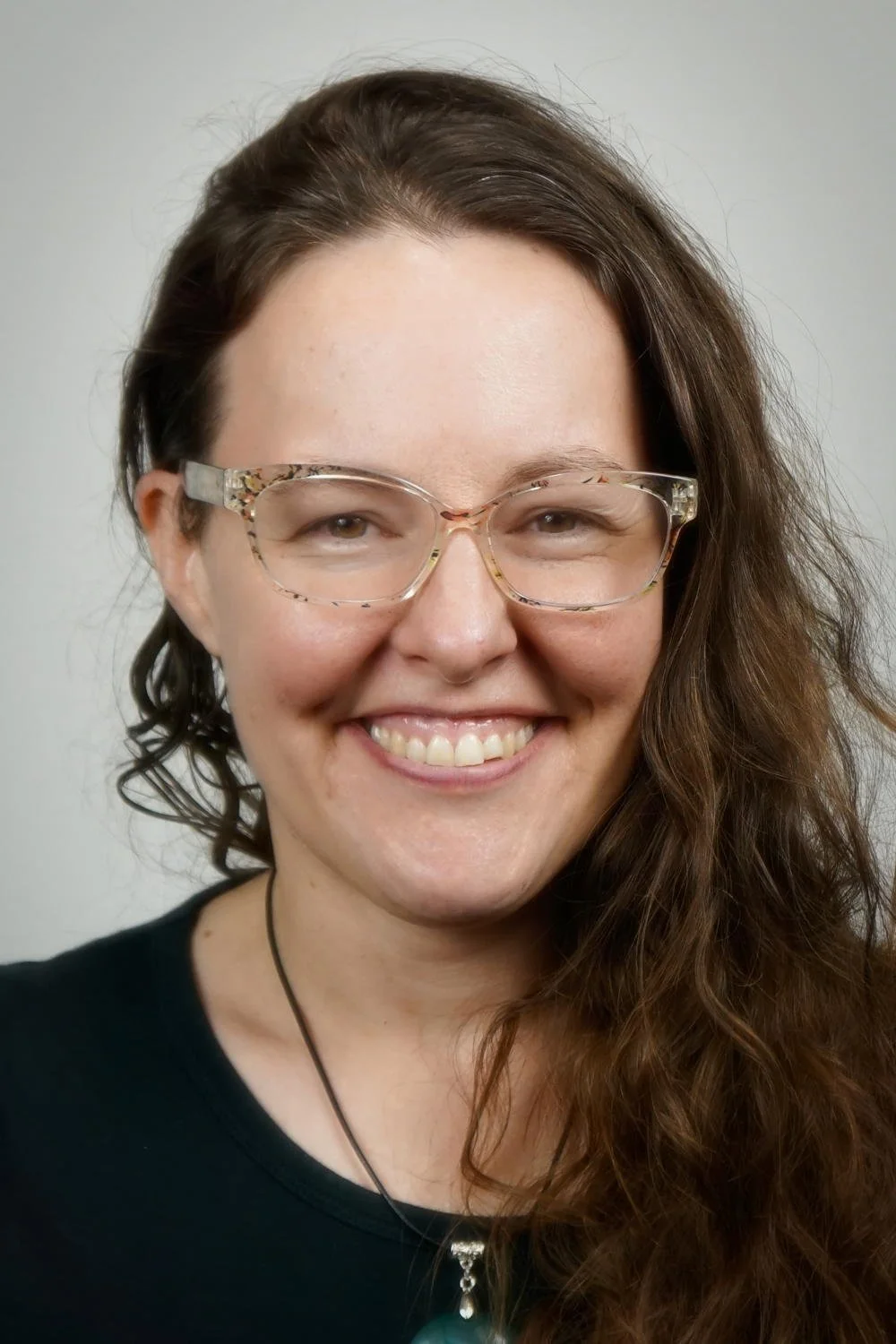
A soil scientist builds a free textbook so anyone can learn about the ground beneath our feet.
The textbook Amber Anderson used doubled in price when a new edition came out, and the bookstore couldn’t get the old version. Her students would pay more, or they would go without. So Amber, a soil scientist and Associate Teaching Professor at Iowa State University in the department of Agronomy, did what soil does: she grew something new from what was there. With the support of Abbey Elder, the university’s rock-star Open Education Librarian, Amber wrote “Introduction to Soil Science,” an open textbook that's now used by instructors across the country.
Amber also coaches her collegiate soil judging team. Soil judging, for the uninitiated, is competitive soil science: teams compete to analyze and classify soil profiles in five-foot-deep trenches. It's both a treasure hunt and forensic science, reading geological history in layers of clay and sand. After Amber also updated ISU's “Soil Judging in Iowa” publication, high schoolers at the state FFA soil judging contest walking up to her like they already knew her, having learned from videos in her book. This spring, she has four of those former high schoolers on her competitive collegiate team. Meanwhile, emails (and an occasional phone call) from instructors using her book keep coming.
Amber's motivation is straightforward: "I want anyone who is interested to be able to learn about soils!" Free matters, but open also gave Amber the freedom to reimagine the learning experience itself. She saw the gap between traditional publications (“printed sheets of paper”) and what students actually expected: interactive content, videos, and engagement. Looking ahead, she wants better ways to collaborate with colleagues to produce high-quality resources for other agronomy classes, continuing education, and professional training. The work, like good soil, is about creating the conditions for growth.
Want to share your story or nominate someone else? Complete the form.